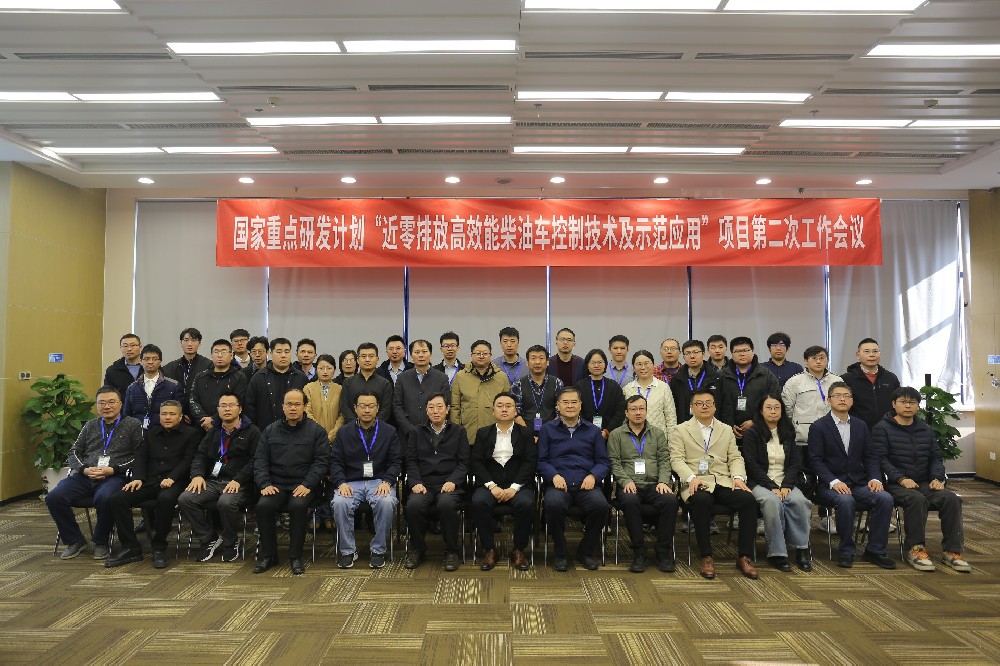
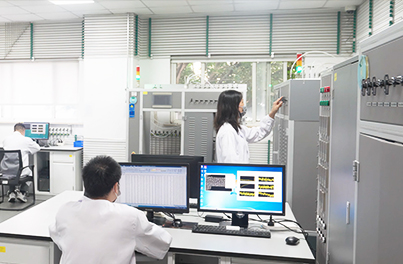
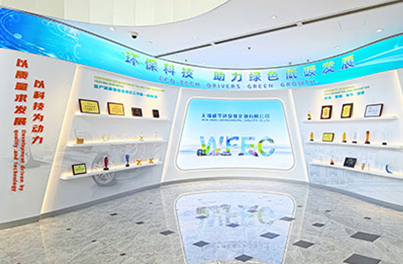


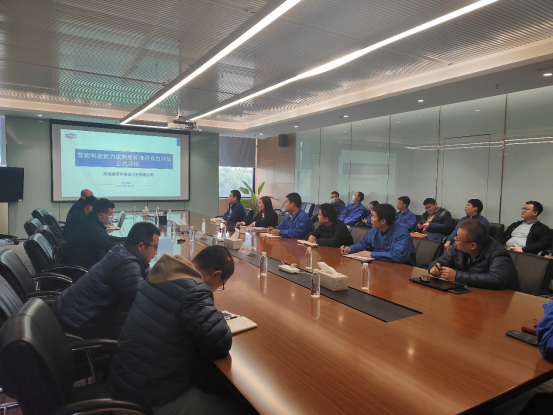
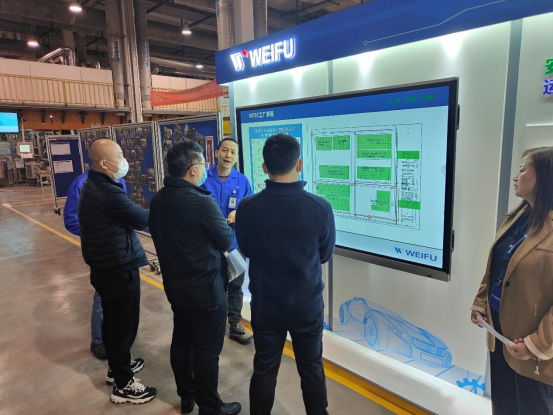
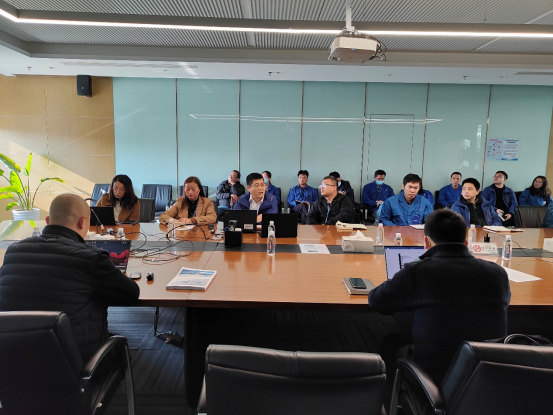
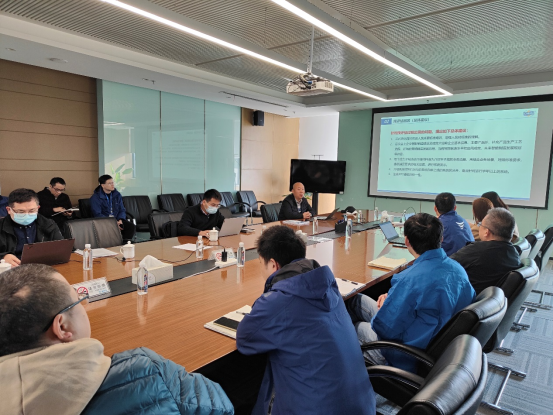
On November 9, 2021, with Jia Liwei, Executive Deputy General Manager, serving as the assessment initiator, and Mr. Song Yuewu, ITSS Architect and Executive Chairman of the IBOK Innovation Development Promotion Alliance, serving as the assessment team leader, the company successfully passed the Capability Maturity Model Level 2 assessment for intelligent manufacturing. The process included a kickoff meeting, pre-assessment, and formal assessment, spanning one and a half months of preparation, with 16 hours of continuous interviews, 2 hours of opening and closing meetings, and 2 hours of on-site inspection.
This Level 2 assessment covered 10 departments and 17 sub-domains, with the design (process), production, sales, and customer service activities of environmental protection catalyst products as the assessment scope. The audit was conducted based on the national standards GB/T 39116-2020 "Capability Maturity Model for Intelligent Manufacturing" and GB/T 39117-2020 "Assessment Methods for Capability Maturity of Intelligent Manufacturing." According to the formal assessment plan, each capability sub-domain was required to prepare a 10-minute PPT presentation, focusing on benchmarking against the national standard requirements and introducing the application of intelligent manufacturing in their respective areas. This assessment received great attention and active cooperation from leaders and colleagues across all departments, and the assessment team gave full recognition to our company.
The intelligent manufacturing maturity assessment provides a multi-dimensional and comprehensive evaluation of existing enterprise issues, offering detailed solutions, clear construction paths, and professional implementation guidance, acting as a "health check" for the enterprise. It evaluates the current status and level of intelligent manufacturing in the enterprise, provides a professional and detailed assessment analysis report, and serves as a reference for future intelligent manufacturing planning. By benchmarking against the actual intelligent manufacturing situation, it determines the capability level, identifies gaps for continuous improvement, and enhances the enterprise's intelligent manufacturing capabilities.